 Kush
Kush 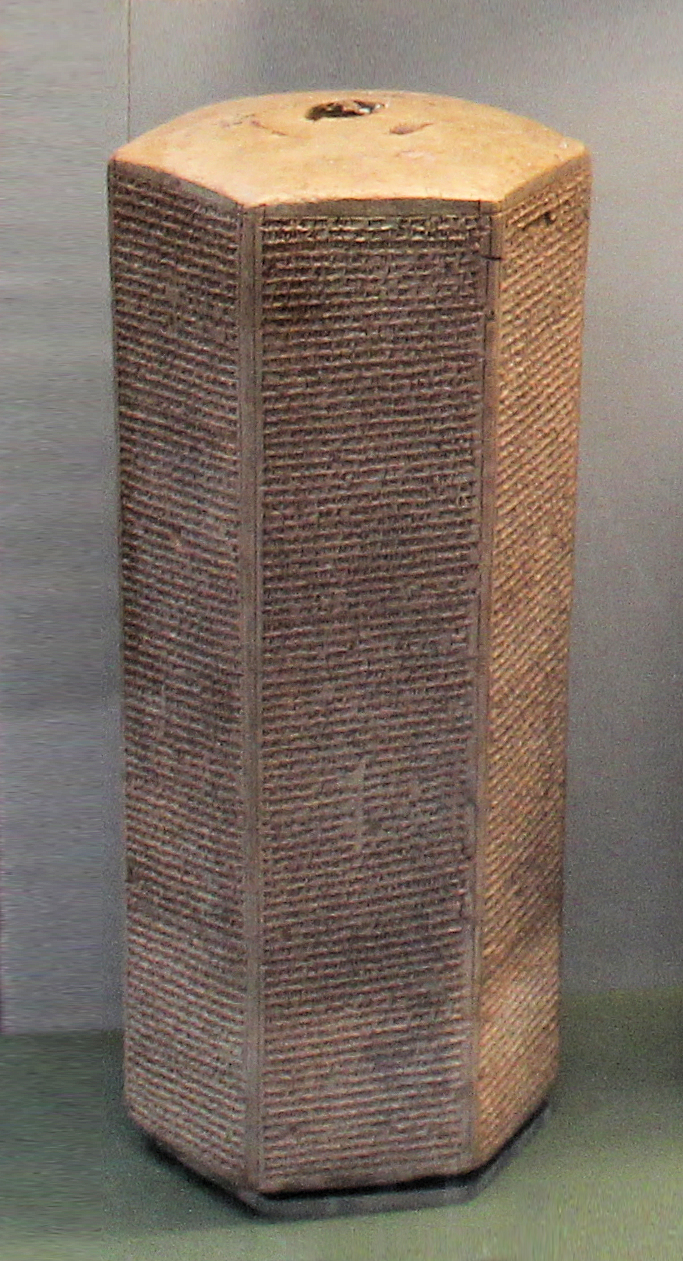
Sennacherib: The Assyrian King Murdered by His Own Sons
Sennacherib is already part of Kush’s own story. He is the Assyrian king whose siege of Jerusalem in 701 BCE the Bible ties to Taharqa’s early military career, in the same two chapters, 2 Kings 19 and Isaiah 37, that name Taharqa directly. Twenty years later, in 681 BCE, Sennacherib was murdered by his own sons. The son who eventually took the throne afterward is the same Assyrian king who later invaded Egypt and drove Taharqa out for good.
A First Heir Who Vanished
Sennacherib became king of Assyria in 705 BCE, after his father Sargon II died in battle. Around 700 BCE, he installed his eldest surviving son, Ashur-nadin-shumi, as king of Babylon and treated him as his intended successor. In 694 BCE, Babylonian forces allied with Elam captured Ashur-nadin-shumi at the city of Sippar. He was never seen again, and historians generally assume he was executed.
The Son Who Got Passed Over
With his first heir gone, Sennacherib’s son Arda-Mulissu became the presumed next in line. Then, around 683 or 684 BCE, Sennacherib abruptly named a younger son, Esarhaddon, as crown prince instead. Ancient sources never explain the switch. Some historians point to the influence of Esarhaddon’s mother, Naqi’a, a favored royal wife at court. Arda-Mulissu was reportedly furious and pushed for years to get the succession reversed.
The Murder
Around 681 BCE, Arda-Mulissu and another brother, Nabu-shar-usur, killed Sennacherib inside a temple at Nineveh. The Hebrew Bible names the same two sons as Adrammelech and Sharezer, and states plainly that they struck their father down while he was worshipping. The precise calendar date is genuinely disputed. Converting the ancient Assyrian dating system into the modern calendar, different historians land on either October 681 BCE or January 680 BCE for the exact day, though the year is generally given as 681 BCE.
Timeline
-
705 BCE
Sennacherib becomes king of Assyria after his father Sargon II dies in battle.
-
About 700 BCE
Ashur-nadin-shumi, Sennacherib's eldest surviving son, is installed as king of Babylon and treated as heir.
-
701 BCE
Sennacherib's forces besiege Jerusalem, the campaign the Bible ties to a young Taharqa's first military role.
-
694 BCE
Ashur-nadin-shumi is captured by Babylonian and Elamite forces at Sippar and never seen again.
-
About 683 to 684 BCE
Sennacherib names his younger son Esarhaddon crown prince, passing over Arda-Mulissu.
-
681 BCE
Arda-Mulissu and his brother Nabu-shar-usur murder Sennacherib in a temple at Nineveh.
-
Six weeks later
Esarhaddon fights his way to Nineveh, the conspirators flee toward Urartu, and he is crowned king.
-
674 BCE
Esarhaddon invades Egypt for the first time and is driven back, a real defeat for Assyria.
-
671 BCE
Esarhaddon captures Memphis and drives Taharqa south into Nubia.
Six Weeks of Civil War
Sennacherib’s murder did not hand Esarhaddon the throne automatically. He spent about six weeks fighting his way toward Nineveh while his brothers tried to hold power. Their support collapsed before he arrived, and Arda-Mulissu and his allies fled north toward Urartu rather than face him directly. Esarhaddon entered Nineveh and was crowned king without the drawn-out civil war his brothers may have expected.
Why This Mattered for Kush
By the time Sennacherib was murdered in 681 BCE, Taharqa had already been king of Kush and Egypt for about nine years. The Assyrian throne Taharqa would eventually go to war against had just changed hands through a family killing. Esarhaddon, the son who survived that killing, invaded Egypt in 674 BCE and was repelled, then returned in 671 BCE, captured Memphis, and forced Taharqa back into Nubia for good.
Esarhaddon commemorated that Egyptian victory with a stone stela set up at Sam’al, in what is now southern Turkey. It shows him holding a rope looped through the lips of two kneeling captives. Historians generally agree one figure represents a defeated king from the Phoenician coast, either Baal I of Tyre or Abdi-Milkutti of Sidon. The identity of the second, smaller kneeling figure is genuinely debated. Some historians read him as Taharqa’s own son, Ushankhuru, shown with a rope around his neck. Others argue the same figure’s Egyptian crown means it represents Taharqa himself.
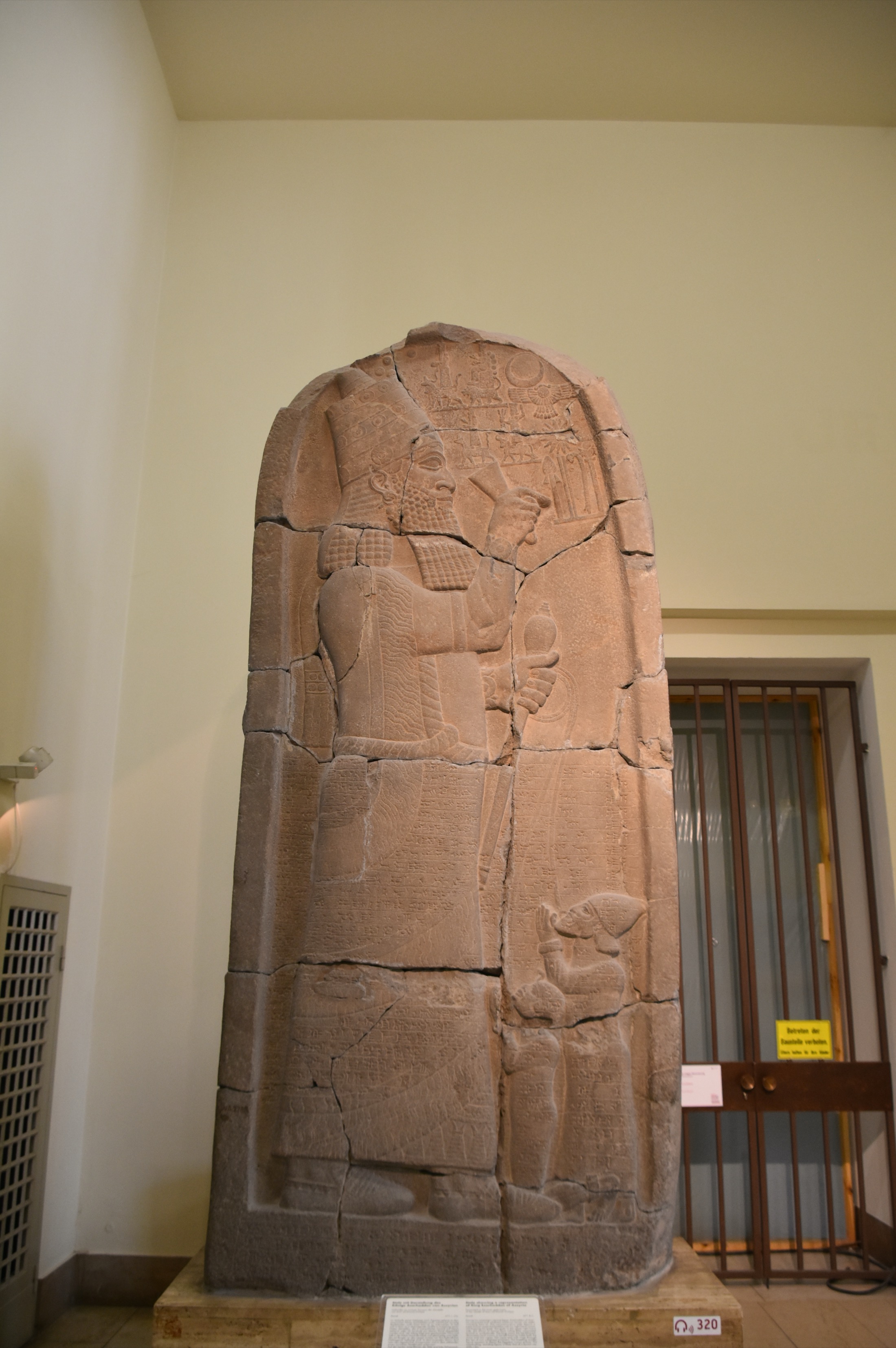
Photo: Richard Mortel, CC BY 2.0, via Wikimedia Commons.
None of this makes the family killing in Nineveh the cause of Taharqa’s later war with Assyria. It does mean the king who eventually pushed Kush out of Egypt only held power at all because a coup against his own father failed. Curious how that war actually played out from Kush’s side? Read The Black Pharaohs: When Kush Ruled Egypt for the century that ended with it.
Cite This Work
- APA
- Kush History. (2026). Sennacherib: The Assyrian King Murdered by His Own Sons. Retrieved September 28, 2026, from https://kushhistory.com/who-killed-sennacherib/
- Chicago
- Kush History. "Sennacherib: The Assyrian King Murdered by His Own Sons." Published August 22, 2026. https://kushhistory.com/who-killed-sennacherib/.
- MLA
- Kush History. "Sennacherib: The Assyrian King Murdered by His Own Sons." Aug 22, 2026, https://kushhistory.com/who-killed-sennacherib/.
Researched and written by Sunni. About this site.