 Kush
Kush 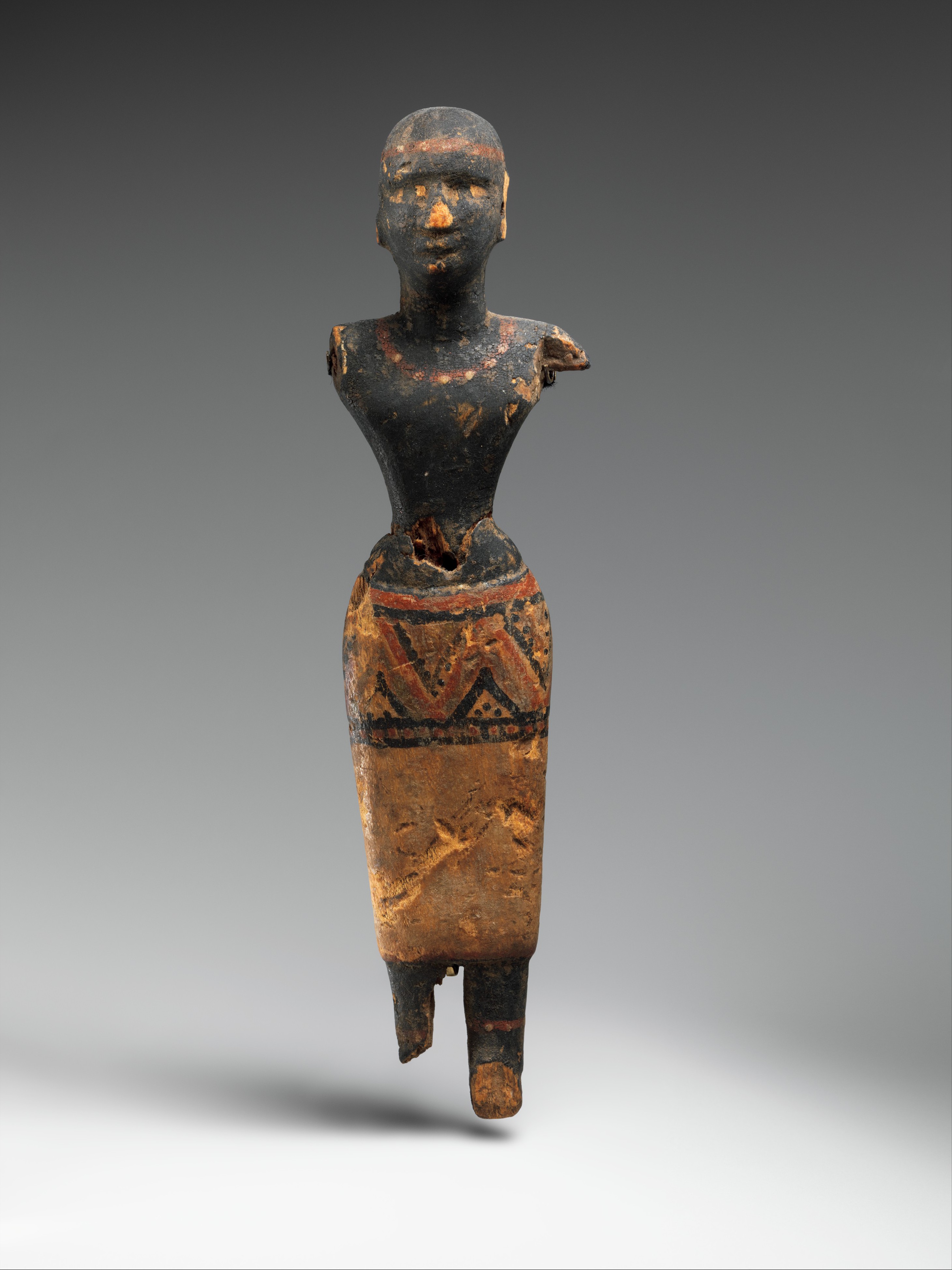
What Does Nubian or Kushite Ancestry Mean?
If a DNA test told you that you have Nile Valley or African ancestry, or if you’re just curious where the name Kush comes from, here’s the plain answer. Ancient Nubia and Kush are real, well documented parts of Nile Valley history, and they connect to modern ancestry in specific, provable ways. That history does not answer every question a DNA report raises, and separating which is which matters more than a tidy headline.
Nubia the Place, Kush the Kingdom
is a place. It names the stretch of the Nile River running through what is now southern Egypt and northern Sudan.
is a kingdom. It is the specific civilization that rose in that region, built the pyramids at Meroë, Nuri, and El-Kurru, and for about a hundred years ruled Egypt itself. Kush is the best documented and longest lasting of the civilizations Nubia produced.
Modern historians use both words often, and somewhat loosely. The ancient people who lived along this stretch of the Nile did not organize their own identity the way either term implies today. They identified by city, by ruler, by religious loyalty, and by kingdom, categories far narrower than a single regional label covering thousands of years and dozens of political changes.
What Ancestry Meant to Them
Ancient Egyptians and Nubians lived, traded, fought, and intermarried across this same river for thousands of years, at every rung of society, farmers and merchants included, not only kings marrying into other royal families.
None of that mixing was organized around race the way the term gets used today. What decided a Kushite or Egyptian person’s place in the world was culture, religion, and loyalty to a king. Applying a label like “biracial” backward onto ancient Nubians and Egyptians assumes a way of thinking about people they never used for themselves.
What a DNA Report Actually Measures
A consumer DNA test’s “Nile Valley,” “Northern African,” or “East African” label comes from comparing your DNA to a large group of people living in those regions today. The company estimates how much of your DNA looks like that group’s, and how much of your own ancestry likely traces back to that broad area, going back many centuries.
That estimate says something real about deep population history, mixed together across many centuries and many communities. It cannot zoom in far enough to name one ancient kingdom, one king or queen, or one single ancient community. Nile Valley populations moved, mixed, and changed a great deal over thousands of years, and a DNA test reflects that entire layered history all at once.
The Real Evidence for Egyptian-Nubian Mixing
Two independent kinds of evidence back this up: written history going back to Egypt’s Fourth Dynasty, and ancient DNA pulled directly from Nubian remains. Read the full breakdown of both in Were Ancient Egyptians and Nubians Genetically and Culturally Mixed?
Interpreting Your Own Results
If a consumer DNA test pointed you toward Nile Valley, African, or Northern African ancestry, read AncestryDNA and 23andMe: Interpreting African and Nile Valley Ethnicity Results for what those specific labels trace back to historically, and an honest look at the real privacy concerns many people have about these companies, before anything else.
One thing worth saying plainly here too: a consumer DNA test provides ancestry estimates. For anything health-related a report raises, a real doctor or a genetic counselor can give you an answer a website cannot.
The Short Version
Kush and Nubia are real, documented history. Egyptians and Nubians intermarried for thousands of years, and modern DNA science can trace population-level echoes of that mixing. What it cannot do is hand you a direct line to one ancient kingdom or one ancient person. Both of those things can be true at once, held honestly rather than flattened into whichever one makes a better headline.

Cite This Work
- APA
- Kush History. (2026). What Does Nubian or Kushite Ancestry Mean?. Retrieved September 28, 2026, from https://kushhistory.com/ancestry/what-does-nubian-or-kushite-ancestry-mean/
- Chicago
- Kush History. "What Does Nubian or Kushite Ancestry Mean?." Published August 16, 2026. https://kushhistory.com/ancestry/what-does-nubian-or-kushite-ancestry-mean/.
- MLA
- Kush History. "What Does Nubian or Kushite Ancestry Mean?." Aug 16, 2026, https://kushhistory.com/ancestry/what-does-nubian-or-kushite-ancestry-mean/.
Researched and written by Sunni. About this site.