 Kush
Amanirenas vs. Cleopatra: Two Queens, One Roman Enemy
Cleopatra VII and were two queens of the Nile who faced the same Roman ruler a few years apart. Cleopatra lost Egypt to him in 30 BCE and died that same year. Amanirenas fought his army a few years later, and her envoys came home with a peace on Kush’s terms.
That Roman ruler was Octavian. He was Julius Caesar’s adopted heir, and in 27 BCE he took the name Augustus as Rome’s first emperor. Two queens met one man, and their stories ended in opposite ways.
At a Glance
Kingdom
Cleopatra VII
Egypt, ruled from Alexandria
Amanirenas
Kush, ruled from Meroë
Reign
Cleopatra VII
51 to 30 BCE
Amanirenas
About 40 to 10 BCE, dates uncertain
Title
Cleopatra VII
Queen of Egypt
Amanirenas
Kandake, Kush's title for a ruling queen
Approach to Rome
Cleopatra VII
Alliances with Julius Caesar and Mark Antony
Amanirenas
War with Roman Egypt, then a treaty
Outcome
Cleopatra VII
Egypt became a Roman province in 30 BCE
Amanirenas
Kush stayed independent, with Rome's tribute demand dropped
Death
Cleopatra VII
30 BCE in Alexandria, at age 39
Amanirenas
Around 10 BCE, burial place uncertain
Portraits
Cleopatra VII
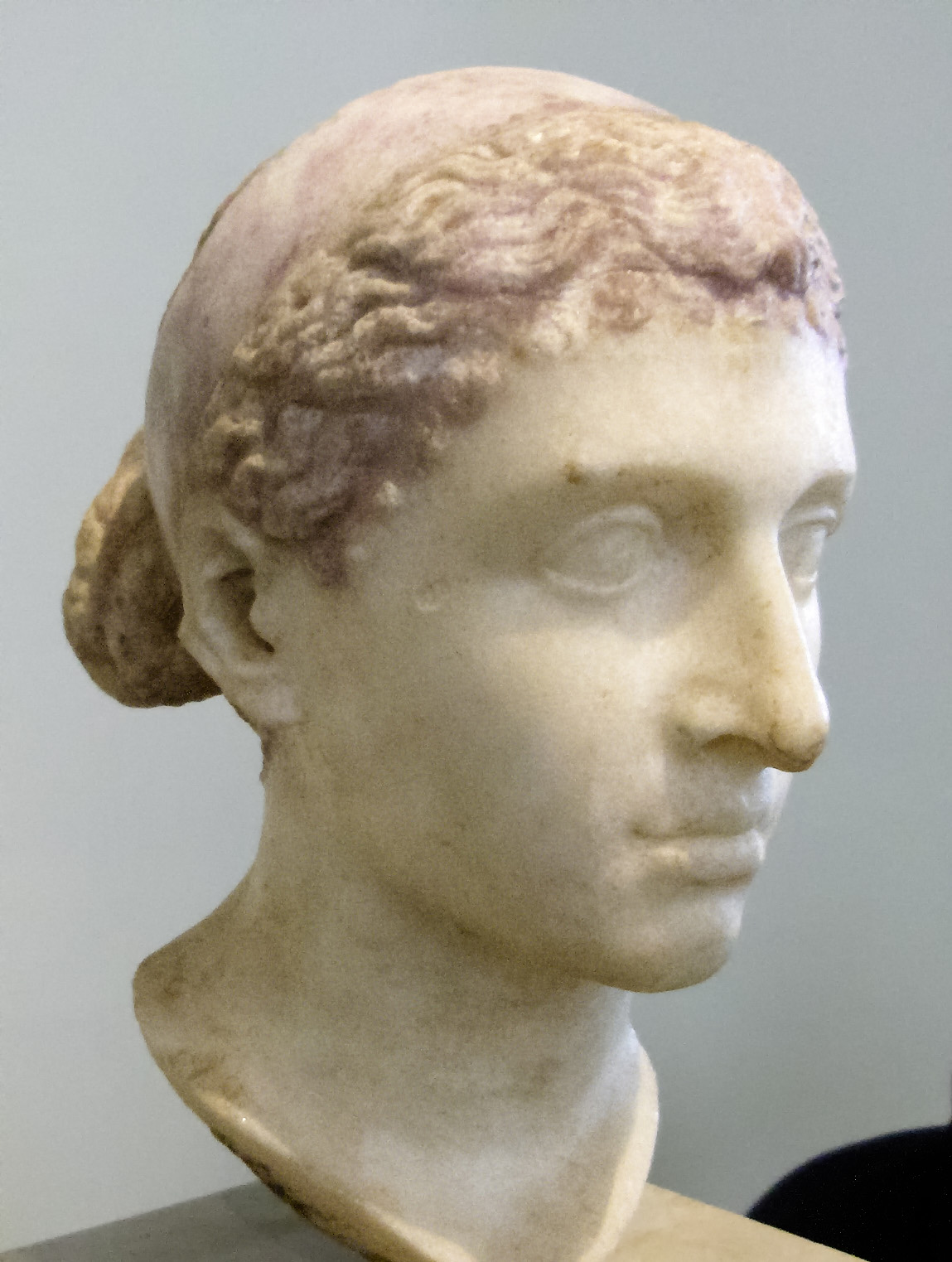
Coins and marble busts survive
Amanirenas
No securely identified portrait survives
Main sources
Cleopatra VII
Plutarch, Cassius Dio, coins, and statues
Amanirenas
Strabo, Cassius Dio, and Meroitic inscriptions
Two Queens on One River
Egypt and Kush shared the Nile. Egypt sat downstream to the north. Kush sat upstream to the south, in what is now Sudan.
Cleopatra ruled from Alexandria, a Greek-speaking city on the Mediterranean coast. Her family were the . Cleopatra was the last of them to hold real power.
Amanirenas ruled from Meroë, Kush’s capital far up the river. She held the title Kandake, the word Kush used for a ruling queen. Greek and Roman writers mistook the title for her name and called her Candace.
Did They Ever Meet?
No surviving record shows that the two queens met or wrote to each other. Historians date the start of Amanirenas’s reign to around 40 BCE, but that date is uncertain. If it is right, the two ruled neighboring kingdoms at the same time for about ten years.
One small thread connects them. The Greek writer Plutarch says Cleopatra could talk with many peoples without an interpreter, and Ethiopians are first on his list. Greek writers used “Ethiopians” loosely for peoples living south of Egypt, and that could include Kush. The sources say nothing more than that, so any closer link stays a question.
The Same Enemy
Cleopatra faced Rome from the inside. She allied first with Julius Caesar, and later with the Roman general Mark Antony. When Antony and Octavian fought over control of Rome, Cleopatra stood with Antony.
Octavian made her his target by name. Plutarch says Rome voted to wage war against Cleopatra herself. In 31 BCE, Octavian’s fleet defeated Antony and Cleopatra at the Battle of Actium, off the coast of Greece. In 30 BCE, Octavian took Alexandria. Antony and Cleopatra both died there. Plutarch repeats the famous story of a poisonous snake called an asp, then adds that “the truth of the matter no one knows.”
Egypt became a Roman province, run by a governor who answered to Octavian. For the first time, Rome stood directly on Kush’s northern border.
Two Ways to Face Rome
Amanirenas faced Rome from the outside. Around 25 BCE, Kushite forces struck north into Roman Egypt. They raided the border towns of Syene, Elephantine, and Philae and pulled down statues of the new emperor.
Rome struck back. The Roman governor Gaius Petronius marched deep into Kush and destroyed Napata, Kush’s older royal city. The Roman historian Cassius Dio says Petronius then pulled most of his army out, unable to go farther “on account of the sand and the heat.” Kush kept fighting.
Around 21 or 20 BCE, Kushite envoys met Augustus himself on the Greek island of Samos. The Greek geographer Strabo says the envoys “obtained everything they pled for,” and the tribute Rome had imposed was dropped. Cassius Dio tells the Roman side of the story and says Petronius forced Candace to make terms. Both accounts agree on the result. Kush stayed independent. The full story of that war is told in Amanirenas: The Queen Who Fought Rome and Won.
Why the Endings Were So Different
No ancient writer records Augustus explaining his choices. Two facts from the sources help explain the gap, though.
Cleopatra sat at the center of Rome’s own civil war. Octavian had declared war on her by name. Egypt was also rich in grain and sat right on the Mediterranean, close to Rome’s ships.
Kush lay far up the Nile, past rocky stretches of rapids called cataracts and long stretches of desert. Rome’s own army reached Napata and then turned back. Cassius Dio’s account of the sand and the heat shows how hard that country was for a Roman army to hold. Read more about how that geography protected Kush in Why the Nile Made Kush a Superpower.
How Each Queen Is Remembered
Cleopatra became one of the most famous women in history. Plutarch wrote about her charm. He said her beauty alone did not stun people, but her conversation “had an irresistible charm.” Shakespeare later put her on the stage, and films have retold her story many times.
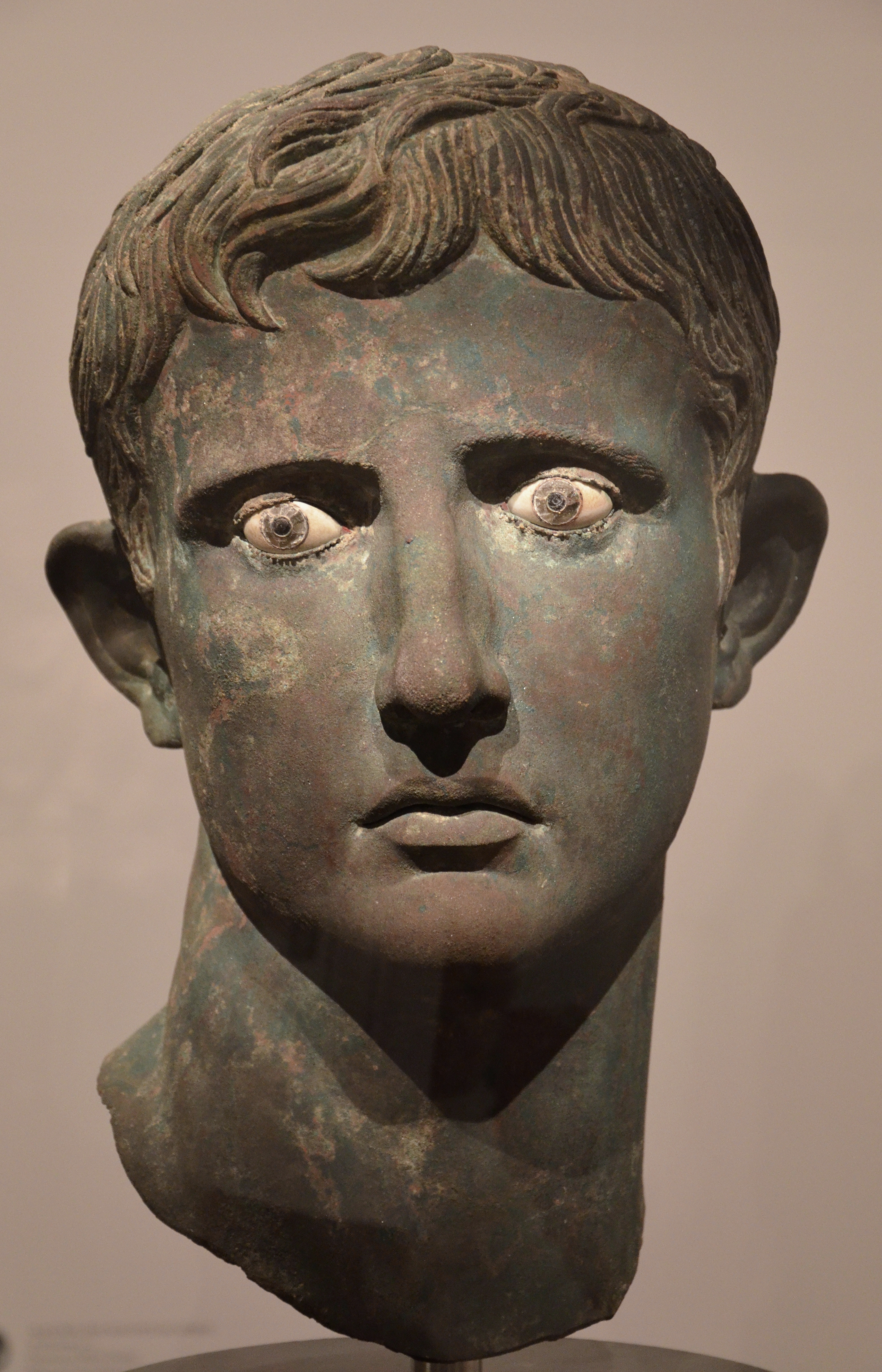
Amanirenas left a smaller written trail. Strabo gives the only physical description of her, calling the Kushite queen “a masculine sort of woman, and blind in one eye.” Her clearest monument is the bronze head of Augustus her forces buried at Meroë, where everyone entering the temple would step over the emperor’s face.
Two queens faced the same man within a few years of each other. Cleopatra’s story ends with Egypt under Roman rule. Amanirenas’s story ends with Kush free, by treaty, for centuries to come.
Frequently Asked Questions
Did Amanirenas and Cleopatra live at the same time?
Probably, for a while. Cleopatra ruled Egypt from 51 to 30 BCE. Historians date Amanirenas's reign to about 40 to 10 BCE, but her start date is uncertain. If that estimate is right, the two queens ruled neighboring kingdoms at the same time for about ten years.
Did Amanirenas and Cleopatra ever meet?
No surviving record shows that they met or wrote to each other. Plutarch says Cleopatra could speak with Ethiopians without an interpreter. Greek writers used that word loosely for peoples south of Egypt, and it could include Kush. That is as close as the sources come to a link.
Who did better against Rome, Amanirenas or Cleopatra?
Amanirenas. Cleopatra lost Egypt to Octavian in 30 BCE, and Egypt became a Roman province. Amanirenas fought Roman Egypt a few years later. Her envoys came home from Augustus with a peace that canceled Rome's tribute demand and left Kush independent.
Was Cleopatra Egyptian?
Cleopatra ruled Egypt, and Egypt had been her family's kingdom for close to three hundred years. Her royal family, the Ptolemies, came from Macedonian Greek generals who took over Egypt after Alexander the Great. Her mother's identity is uncertain. Plutarch says earlier kings of her family never learned Egypt's own language, while Cleopatra spoke many.
Sources
- Strabo, Geography, Book 17 — LacusCurtius, University of Chicago
- Plutarch, Life of Antony — LacusCurtius, University of Chicago
- Cassius Dio, Roman History, Book 54 — LacusCurtius, University of Chicago
- Queenship in Kush: Status, Role and Ideology of Royal Women — Angelika Lohwasser, Journal of the American Research Center in Egypt 38 (2001)
- Amanirenas — Wikipedia
- Cleopatra — Wikipedia
Cite This Work
- APA
- Kush History. (2026). Amanirenas vs. Cleopatra: Two Queens, One Roman Enemy. Retrieved October 25, 2026, from https://kushhistory.com/amanirenas-vs-cleopatra/
- Chicago
- Kush History. "Amanirenas vs. Cleopatra: Two Queens, One Roman Enemy." Published October 19, 2026. https://kushhistory.com/amanirenas-vs-cleopatra/.
- MLA
- Kush History. "Amanirenas vs. Cleopatra: Two Queens, One Roman Enemy." Oct 19, 2026, https://kushhistory.com/amanirenas-vs-cleopatra/.

Researched and written by Sunni. About this site.