 Kush
Kush 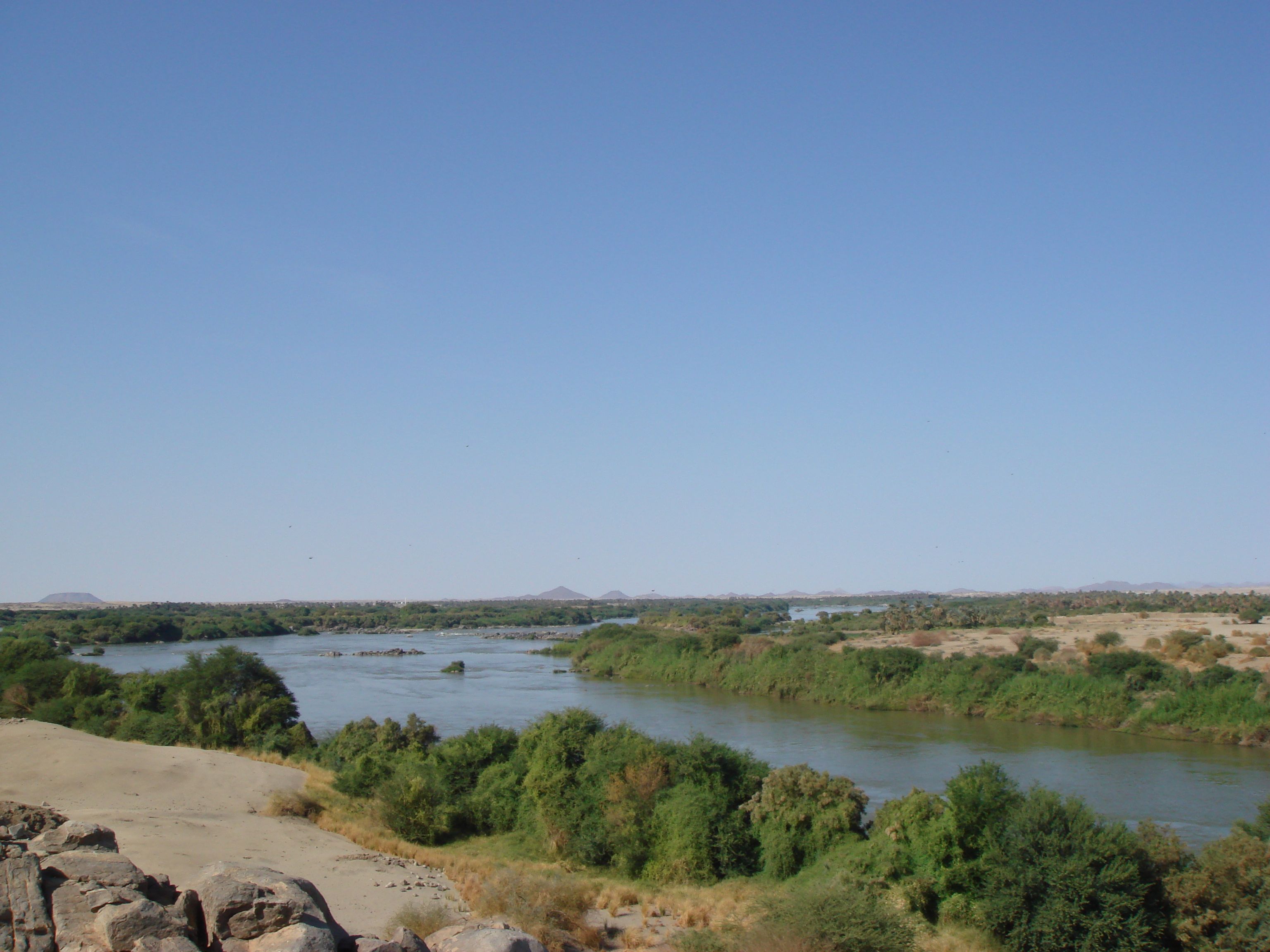
Photo: Fdevillard, CC BY-SA 3.0, via Wikimedia Commons
This page contains affiliate links. We may earn a commission at no cost to you. See our affiliate disclosure for details.
Why the Nile Made Kush a Superpower
ruled its stretch of the Nile for close to a thousand years, and for nearly a century it ruled Egypt too. Egypt and Kush shared one river. They did not share the same geography once you look past the water itself, and that difference explains a lot about why Kush lasted as long as it did.
A River With Help From the Sky
Egypt’s fields depended on one thing alone: the Nile’s yearly flood. A weak flood year meant a weak harvest, with nothing else to fall back on.
Kush’s heartland had a second source of water. Seasonal rains fell across the grassy plain around Meroë, called the Butana, feeding pasture and crops even in years when the Nile’s flood ran low. Historians point to exactly this when they explain why Kush later built a capital at Meroë. The city sat where trade routes crossed, in a populated area where rainfall supported both farming and grazing animals.
That second water source meant a single bad Nile flood could not threaten Kush’s food supply the way it could threaten Egypt’s.
Six Rapids, One Kingdom
The Nile does not flow smoothly through Nubia. Between Aswan in southern Egypt and the region near modern Khartoum, the river crosses six rocky stretches called cataracts. These stretches are shallow and broken enough that boats cannot easily pass through. One cataract sits in Egypt, near Aswan. The other five lie inside Kush’s own territory, in what is now Sudan.
For most of Egyptian history, the First Cataract near Aswan marked Egypt’s own southern border. It worked as a natural stopping point against travel from the south. Boats could still cross some cataracts during the Nile’s flood season, when high water covered the rocks. The rest of the year, the rapids did their job as a barrier.
Every cataract past the first one belonged to Kush. That gave Kush’s kings and its Kandakes, the title held by Kush’s ruling queens, a string of natural checkpoints along their own river. Each one was a place to guard, tax, or close at will.
Gold in the Eastern Desert
The desert east of the Nile, between the river and the Red Sea, held real gold deposits. Two sites carried the richest deposits: Wadi Allaqi and Wadi Gabgaba. That gold was rich enough to help pull a foreign army south, as the next paragraph shows.
In 274 BCE, Ptolemy II of Egypt sent an army to conquer Lower Nubia. Historians see a direct motive behind it. Ptolemy wanted the gold mines at Wadi Allaqi and Wadi Gabgaba. He also wanted control of the elephant trade further south.
Historians still debate exactly where the name Nubia itself comes from. One leading theory ties it to nub, an ancient Egyptian word for gold. Another ties it to the Noba, a people the Greek geographer Strabo named in this region centuries later. Both ideas point to the same reality. This stretch of the Nile meant gold to everyone who dealt with it.
The Middle of Every Trade Route
Kush sat in the middle of two directions of trade at once. Ivory, ebony, incense, and exotic animals moved north out of Africa’s interior, through Kush, toward Egypt and the Mediterranean world. Goods and ideas from Egypt and the Mediterranean moved south the same way.
Elephants show how much power that position gave Kush. Ptolemaic Egypt wanted African elephants for its armies. It hunted them along the Red Sea coast, far south of Egypt itself. Getting a live elephant back to Egypt meant a long chain of ports and roads. A more direct route existed straight up the Nile Valley, through Kush’s own territory, but Egypt rarely used it. That route required agreement from the Meroitic power controlling the river, the culture and government based at Kush’s later capital. Egypt could not always get it.
Centuries later, Kush traded directly with the Roman world the same way. Kush sent iron goods, gold, ivory, and enslaved people north, across the years the two powers coexisted.
Why Egypt Kept Coming Back for Nubia
Egypt’s interest in the lands south of its own border went back further than most people assume, older even than the pyramids at Giza. Long before Egypt’s Old Kingdom, southern lands already supplied goods Egypt wanted: precious metals, animals, and enslaved people. Powerful kingdoms in those same southern lands also threatened Egypt, again and again.
That threat became real between 2400 and 1450 BCE. The Kingdom of Kerma, in Upper Nubia, grew strong enough to worry Egypt. Egypt responded by conquering Nubian territory as far as Kurgus, between the Fourth and Fifth Cataracts, and running its own colonial government there.
Kush’s later rise followed the same pattern, for the same reasons. The river, the gold, and the trade routes that made Nubia worth conquering also made Kush worth building an empire around. This time, Kush’s own kings and Kandakes controlled all of it directly, instead of answering to Egypt.
What the River Built
Put those pieces together: the second water source, the natural checkpoints at the cataracts, the desert gold, and the trade corridor between two worlds. Kush’s staying power stops looking like an accident. That wealth funded a pyramid-building tradition of its own, one that outlasted Egypt’s. Read why in Why Sudan Has More Pyramids Than Egypt.
Kush ruled from two capitals across its long history. Napata came first, near the cataracts and the trade routes north into Egypt. Meroë came later, moving Kush’s center of power deeper into the well-watered land its river and its rains built together.
Curious About Your Own Connection to Kush?
Ancient Nubia and Egypt were neighbors on the same river for thousands of years, and the same trade routes that carried gold and ivory carried people too. If a DNA test has ever pointed you toward Nile Valley or African ancestry, read what Nubian or Kushite ancestry actually means for a plain explanation.
Frequently Asked Questions
Why did ancient Egypt want to control Nubia?
Egypt wanted what Nubia had. The eastern desert held real gold deposits. Trade routes through the region carried ivory, ebony, incense, and exotic animals. Egypt fought to control this access more than once across its long history.
How many cataracts are on the Nile, and why did they matter for Kush?
The Nile crosses six cataracts, rocky stretches where boats cannot pass easily. One sits in Egypt, near Aswan. The other five lie inside Kush's own territory. Kush controlled every natural checkpoint past the first one.
Where does the name Nubia come from?
Historians debate this. One leading theory ties it to nub, an ancient Egyptian word for gold. Another ties it to the Noba, a people the Greek geographer Strabo named in this region centuries later.
Cite This Work
- APA
- Kush History. (2026). Why the Nile Made Kush a Superpower. Retrieved September 28, 2026, from https://kushhistory.com/why-the-nile-made-kush-a-superpower/
- Chicago
- Kush History. "Why the Nile Made Kush a Superpower." Published August 25, 2026. https://kushhistory.com/why-the-nile-made-kush-a-superpower/.
- MLA
- Kush History. "Why the Nile Made Kush a Superpower." Aug 25, 2026, https://kushhistory.com/why-the-nile-made-kush-a-superpower/.
Researched and written by Sunni. About this site.