 Kush
Kush 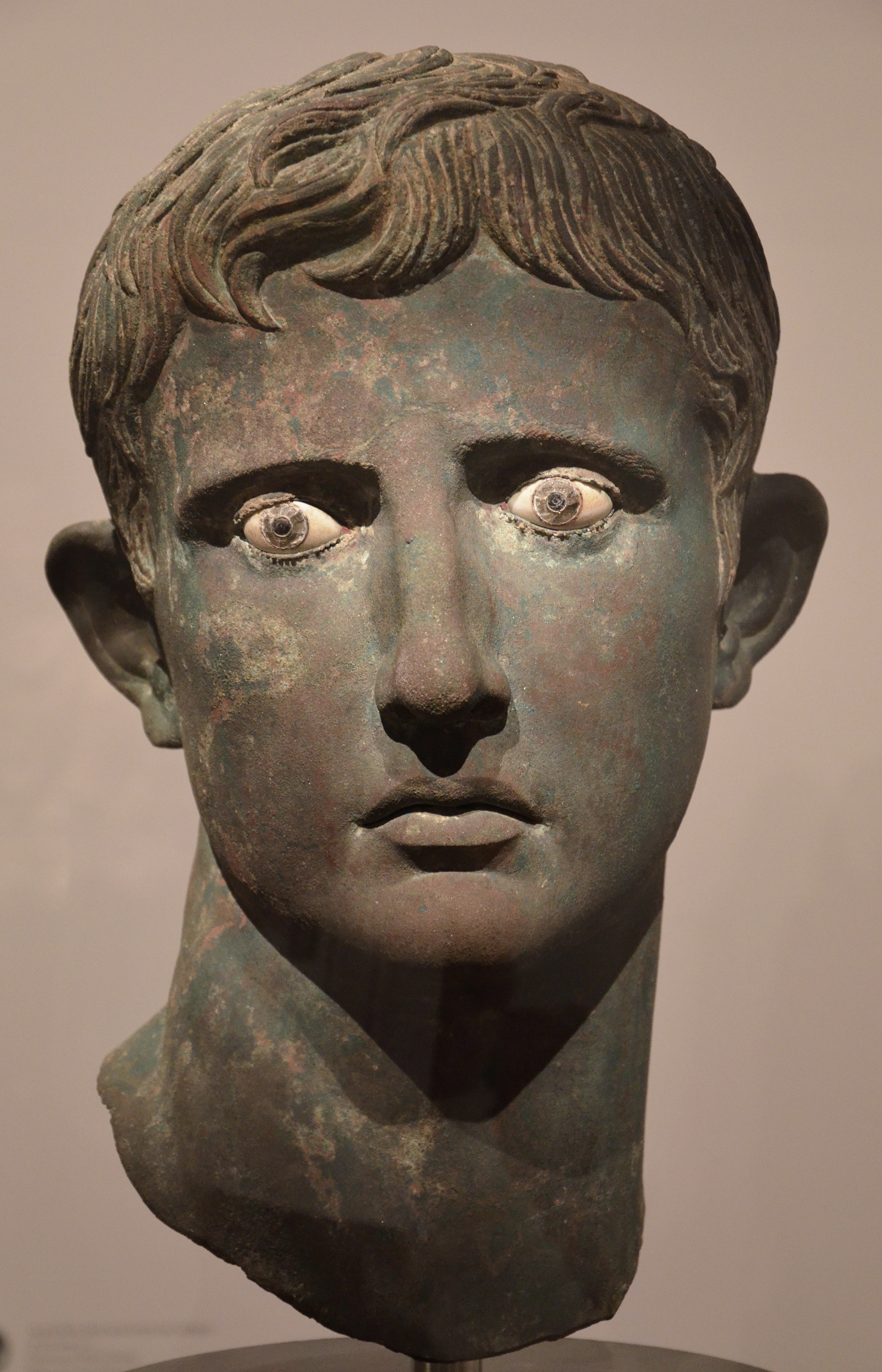
Photo: Carole Raddato, CC BY-SA 2.0, via Wikimedia Commons
Amanirenas: The Queen Who Fought Rome and Won
ruled Kush around 40 to 10 BCE and led its army against the Roman Empire. The Roman geographer Strabo, writing about the war afterward, described the Kushite queen who led it as “a masculine sort of woman, and blind in one eye.” Most historians identify her as Amanirenas, based on the timing and on Meroitic inscriptions from her reign.
Rome Arrives Next Door
In 30 BCE, Rome took control of Egypt after defeating Cleopatra VII, ending nearly three thousand years of Egyptian rule by Egyptians and outsiders who had at least governed from within the region. Rome put a governor named Gaius Petronius in charge of Egypt’s new southern border, right next to Kush.
Tension built quickly. Rome cut back arrangements that had kept the peace along that border, and by around 27 BCE, the two sides were at war.
The Attack
Amanirenas moved first. Ancient accounts describe her leading an army in the tens of thousands, sometimes given as around 30,000 soldiers, though old troop numbers like this are often exaggerated rather than exact, so modern historians treat the figure carefully. Kushite forces struck south of the border into Roman Egypt, hitting Syene, Elephantine, and Philae, and pulling down Roman monuments as they went.
The most famous piece of what they took was a bronze head from an over-life-sized statue of the emperor Augustus, torn from its body at Syene. Amanirenas’s forces carried it hundreds of kilometers back to Meroë and buried it under the steps of a temple, positioned so that everyone walking in would step on the emperor’s face. Archaeologists excavated the head in 1910, still buried where Kushite forces had left it nearly two thousand years earlier. It now sits in the British Museum, known as the Meroë Head.
Rome Strikes Back
Petronius answered with a full military campaign, marching deep into Kushite territory and sacking Napata, Kush’s older capital, around 22 BCE. Napata held the royal cemeteries at El-Kurru and Nuri, resting place of generations of Kushite kings, and a Roman army standing in the city was a real, painful loss no matter how the war ended.
It did not end the war on Rome’s terms. Kush kept fighting from further south, out of Petronius’s reach, and the Roman garrison Petronius left behind at Primis, near the border, came under siege soon after he withdrew.
The Peace That Followed
Kushite forces kept fighting, and by around 21 or 20 BCE, envoys reached a peace agreement directly with the emperor Augustus himself, negotiated on the island of Samos. The terms favored Kush. Rome dropped its tribute demands and pulled its southern frontier back, leaving Kush its independence and its dignity intact.
That outcome is why this counts as a war Amanirenas won, even without toppling the Roman Empire itself. She fought a war against the most powerful military force in the ancient world and negotiated an ending most of Rome’s neighbors never got.
Who She Was
Ancient Greek and Roman writers used the title Kandake as though it were her personal name, the same confusion that gave English the name Candace. Surviving reliefs from her reign give her a warrior’s presence: weapons in hand, a commanding stance, nothing about the pose reading as decorative. Some inscriptions from the period name her son, Akinidad, alongside her, suggesting he played a real role in the campaign too.
Strabo’s detail about her missing eye is the only physical description of her that survives. No source explains how she lost it, so that question stays open here rather than getting filled in with a guess.
Amanirenas has her own pyramid in Meroë’s royal cemetery, the same honor given to the kings who ruled beside and after her.
How She Compares to Cleopatra
Cleopatra VII died in 30 BCE, and her death is the exact event that put Rome on Kush’s border in the first place. Egypt’s last independent ruler was gone, and a Roman prefect was suddenly running the country next door to Amanirenas’s kingdom.
Both women are remembered for standing up to Rome, but the shape of their stories differs. Cleopatra ruled Egypt itself and worked Rome’s own internal politics, allying with Julius Caesar and then Mark Antony, before her side lost a civil war. Amanirenas ruled a kingdom Rome had never controlled, and she met Rome on a battlefield rather than in a political alliance. Cleopatra’s story ends in defeat, and Rome taking over her country. Amanirenas’s ends with her own kingdom staying free, confirmed by treaty. Two queens, two very different endings, in the same handful of years.
Why This Story Still Lands
A queen who fought Rome to a standstill and made the emperor himself come to terms is a genuinely rare story in ancient history. Most of the peoples who fought against Rome ended up ruled by it. Kush walked away independent, with a piece of a Roman emperor’s face buried under its own front steps.
Curious how her story fits into the era when Kush ruled Egypt directly? Read The Black Pharaohs: When Kush Ruled Egypt for the century before hers.
Sources
- Gender as Frame of War in Ancient Nubia — Uroš Matić, Dotawo: A Journal of Nubian Studies
- Queenship in Kush: Status, Role and Ideology of Royal Women — Angelika Lohwasser, Journal of the American Research Center in Egypt 38 (2001)
- Strabo, Geography, Book 17 — LacusCurtius, University of Chicago
- Amanirenas — Wikipedia
- Meroë Head — Wikipedia
Cite This Work
- APA
- Kush History. (2026). Amanirenas: The Queen Who Fought Rome and Won. Retrieved September 28, 2026, from https://kushhistory.com/amanirenas-the-queen-who-fought-rome/
- Chicago
- Kush History. "Amanirenas: The Queen Who Fought Rome and Won." Published August 16, 2026. https://kushhistory.com/amanirenas-the-queen-who-fought-rome/.
- MLA
- Kush History. "Amanirenas: The Queen Who Fought Rome and Won." Aug 16, 2026, https://kushhistory.com/amanirenas-the-queen-who-fought-rome/.
Researched and written by Sunni. About this site.