 Kush
Kush 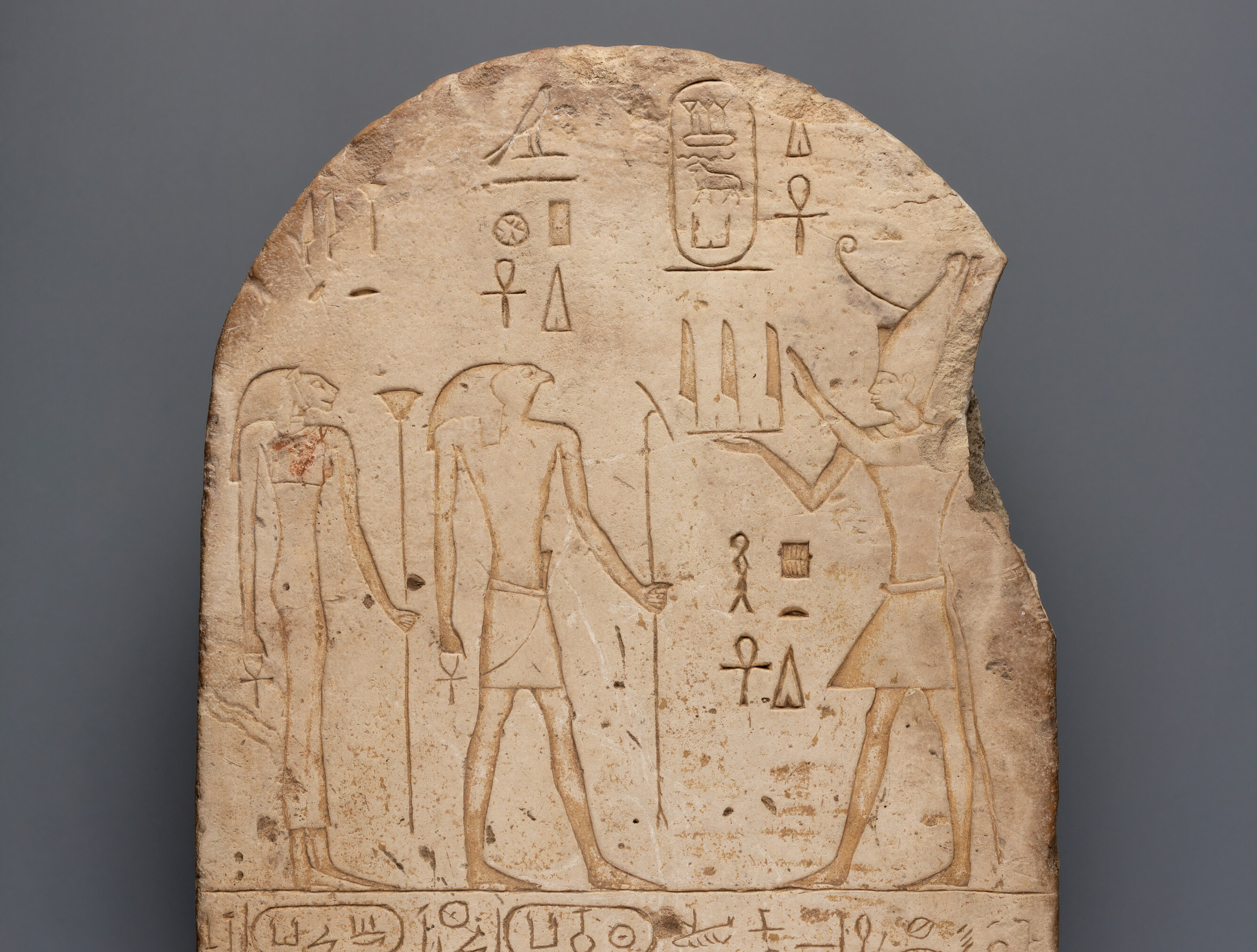
Shabaka
Shabaka completed what Piye started. After Piye’s conquest, Egypt’s own local princes had stayed in charge of their own territories, paying Kush tribute but still running their own affairs day to day. Shabaka ended that arrangement. He moved into Egypt himself and took over its administration in person, which meant those local princes lost the independent authority they had kept even after bowing to Piye. Traditional dates place his reign around 705 to 690 BCE. Exactly where that reign falls among the other Kushite kings, before or after a king named Shebitku, is now genuinely disputed among historians, a chronology puzzle worth unpacking on its own.
Finishing the Conquest
Ancient tradition adds a violent detail to this phase. A rival Egyptian ruler named Bakenranef, who had expanded his own territory in the Nile Delta, was said to have been captured and burned alive. Modern historians increasingly doubt that specific story, and sources even disagree about which Kushite king should get credit for it, a confusion tied directly to the same succession puzzle described further below.
What happened to Egypt’s other local princes, the ones who had submitted peacefully to Piye and kept ruling their own territories as tribute-paying vassals, is less dramatic and less clearly documented. The evidence shows a shift from Kush ruling through those local princes to Kush ruling directly, which means their independent political authority ended under Shabaka. Exactly what that meant financially for those deposed rulers, or for ordinary Egyptians living under the new arrangement, isn’t something the surviving evidence answers with any real precision.
The Stone That Outlived a Kingdom
Shabaka’s most famous legacy is a slab of stone now called the Shabaka Stone, on display in the British Museum. Its own inscription tells a striking story: Shabaka claimed he found an ancient papyrus at the Temple of Ptah in Memphis, already damaged by worms, and ordered its text carved into stone before it could be lost entirely. The text itself, known as the Memphite Theology, describes the god Ptah creating the world by naming things into existence, one of the more sophisticated surviving pieces of ancient Egyptian religious thought.
Ptah was already central to daily life in Memphis long before Shabaka’s reign. He was Memphis’s own local god, and his temple there, Hut-ka-Ptah, ranked among Egypt’s most important religious sites for centuries. That temple’s Greek name, Aigyptos, is where the modern word Egypt actually comes from. Ptah also served as the patron god of craftsmen and sculptors specifically, invoked in workshops across the country, and his high priest at Memphis held the working title chief controller of craftsmen. For ordinary artisans as much as for kings and priests, Ptah was a real, everyday presence tied directly to their own work.
Modern scholars increasingly doubt the “ancient, worm-eaten papyrus” part of that story. A growing body of research argues the text was actually composed during Shabaka’s own reign, deliberately written in an archaic style to make new Kushite rule look like the restoration of something ancient and sacred. The timing suggests deliberate political theater: a newly powerful Kushite king using an invented ancient text to root his authority in Egypt’s deep past. Either way, the stone survives today only because a later owner reused it as a millstone, grinding grain across its face and damaging its hieroglyphs in the process, an ordinary, almost accidental reason a philosophically significant object made it to the present at all.
A Real Chronology Puzzle
For most of the twentieth century, historians agreed on a simple order: Piye, then Shabaka, then a king called Shebitku, then Taharqa. That order rested on matching Kushite royal names to a list written by the Egyptian priest Manetho centuries after the dynasty ended, filled in with guessed vowels, since Egyptian writing itself never recorded vowels at all.
Since the 2010s, a substantial body of research has gone back to the Kushite and Egyptian monuments themselves instead of relying on Manetho’s much later list, and reached a different conclusion: Shabaka and Shebitku’s order may actually be reversed. If that revision holds, Shebitku reigned first, based in Thebes, and Shabaka came second, later moving the royal seat north to Memphis.
The stakes here are real, with consequences that go beyond academic bookkeeping. Egypt allied with the biblical kingdom of Judah against an invading Assyrian army in 701 BCE, an episode covered in more detail on Taharqa, at a time when Taharqa himself was still a young general rather than king. Which Kushite king was actually reigning back in Egypt and Napata during that alliance depends entirely on which chronology turns out to be correct. Leading scholars are taking the revised order seriously, but it hasn’t been fully proven either way, and both versions still turn up in different sources. The traditional order, Shabaka before Shebitku, is what’s used above, since that’s still what most general references use, though current specialist research treats the question as open rather than settled.
Buried at El-Kurru
Shabaka was buried at El-Kurru, the older of Kush’s two earlier royal cemeteries, in a tomb known today as Ku 15. His successor, Taharqa, chose a different cemetery, at Nuri, for his own burial.
Curious about the fuller sweep of Kushite rule over Egypt, from Piye’s conquest through the Assyrian wars that ended it? Read The Black Pharaohs: When Kush Ruled Egypt for the full century.

Cite This Work
- APA
- Kush History. (2026). Shabaka. Retrieved September 28, 2026, from https://kushhistory.com/rulers/shabaka/
- Chicago
- Kush History. "Shabaka." Published August 20, 2026. https://kushhistory.com/rulers/shabaka/.
- MLA
- Kush History. "Shabaka." Aug 20, 2026, https://kushhistory.com/rulers/shabaka/.
Researched and written by Sunni. About this site.