 Kush
Kush 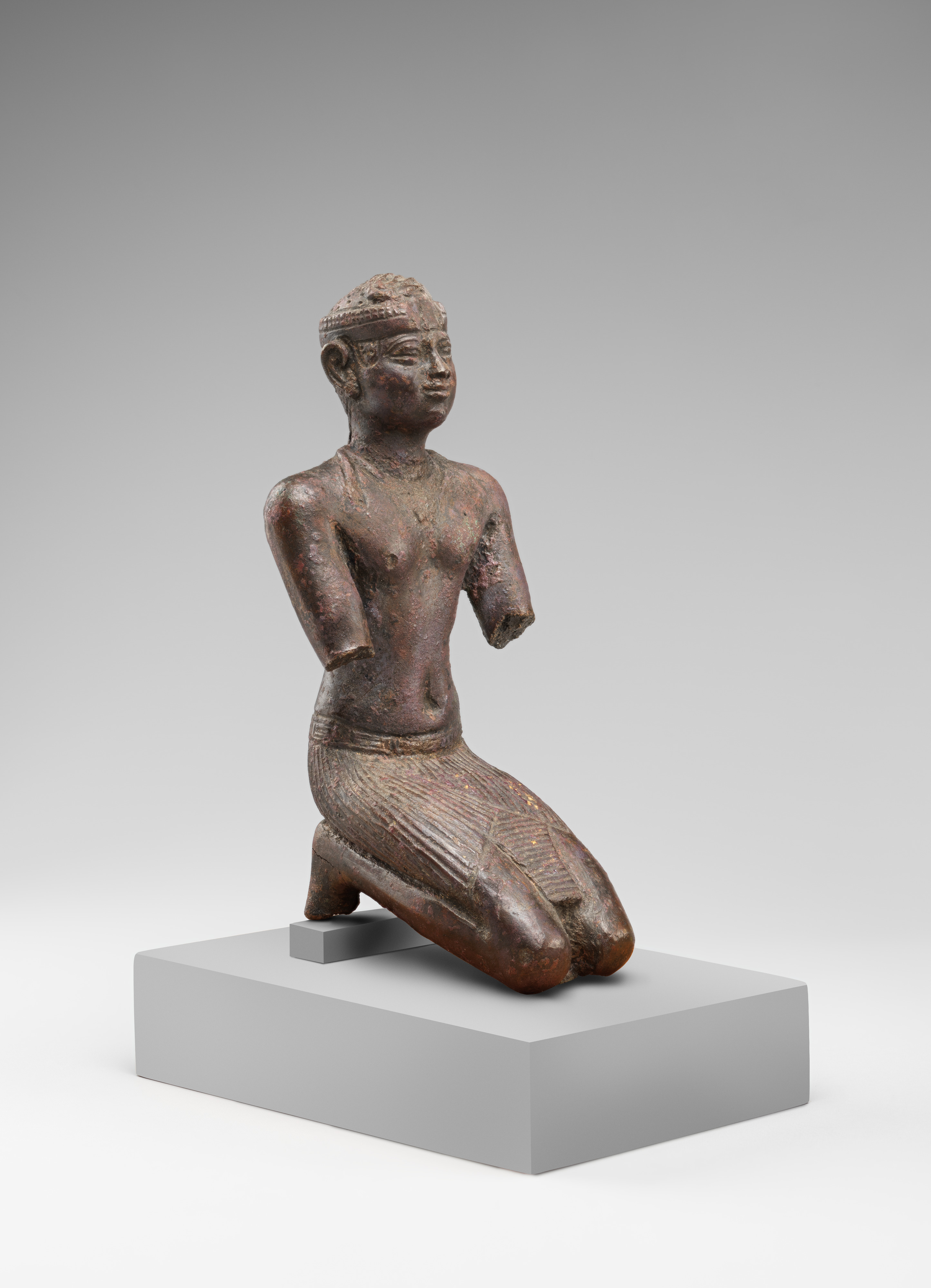
Kush
Kush was an ancient kingdom that ruled the Nile Valley in what is now Sudan for well over a thousand years. Its people, the Kushites, built one of Africa’s longest lasting states, and for close to a century they ruled Egypt too.
A Plain Definition
Historians use the name Kush for a specific kingdom, not just a general stretch of the map. It rose along the Nile south of Egypt around 1000 BCE and lasted until roughly 350 CE. Two cities served as its capital across that span, Napata first, then Meroë later. Egyptian texts used the name Kush even earlier, for the older kingdom of Kerma, which historians think the later Kush probably grew out of. For the full breakdown of how those thousand-plus years stack up against Rome, Egypt, and Cleopatra’s own lifetime, read How Old Is Kush, Really?
Who Were the Kushites?
The Kushites were the people who built and ruled Kush. They spoke and eventually wrote their own language, in a script called Meroitic. They worshipped the Egyptian god Amun alongside gods of their own, including the lion god Apedemak. They governed through kings and, unusually for the ancient world, ruling queens called Kandakes, who held the same real authority as kings.
Nubia is the wider geographic region along this same stretch of the Nile, home to several different peoples and cultures across thousands of years. Kush is the specific, best documented kingdom that rose from that region, which is why this entire site is built around its name. For the deeper distinction between the region and the kingdom, and what either term can tell you about a DNA result today, read What Does Nubian or Kushite Ancestry Mean?
Where Kush Was
Kush’s core territory sat almost entirely within modern Sudan, stretching along the Nile south of Egypt’s current border. At its largest, when Kushite kings ruled Egypt directly, its combined territory reached all the way to the Mediterranean coast. For the full map, and an explanation of why the same region also gets called Cush, Nubia, or Aethiopia depending on the source, read Where Is Kush? A Map and Location Guide
Quick Facts
- Rose: around 1000 BCE, after Egypt’s own New Kingdom pulled back from Nubia
- Ended: around 350 CE
- Capitals: Napata, then Meroë
- Ruled Egypt directly: for about 100 years, as Egypt’s 25th Dynasty
- Known for: more pyramids than Egypt itself, a writing system still not fully translated, and ruling queens with real independent power
Why Kush Matters
For about a century, Kushite kings governed Egypt and Kush together as one connected realm. Historians call that period Egypt’s 25th Dynasty, and its kings are sometimes called the Black Pharaohs. Kush went on to outlast the Egypt that Rome later conquered, and it built far more pyramids than Egypt ever did. Read Why Sudan Has More Pyramids Than Egypt for the full story of how one kingdom built so many.

Cite This Work
- APA
- Kush History. (2026). Kush. Retrieved September 28, 2026, from https://kushhistory.com/glossary/kush/
- Chicago
- Kush History. "Kush." Published August 27, 2026. https://kushhistory.com/glossary/kush/.
- MLA
- Kush History. "Kush." Aug 27, 2026, https://kushhistory.com/glossary/kush/.
Researched and written by Sunni. About this site.